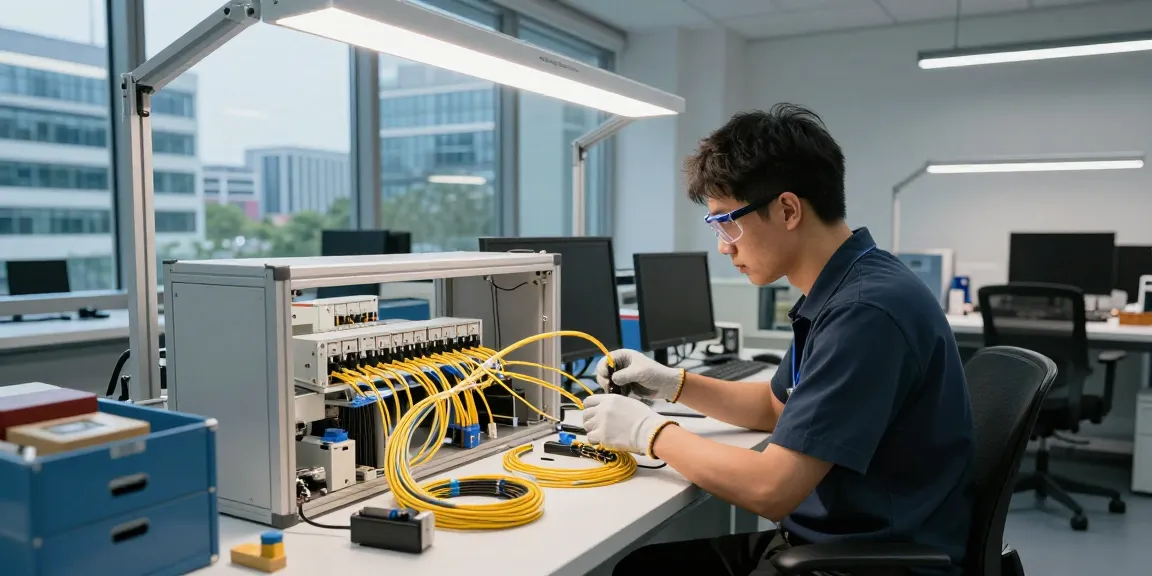
Understanding Fiber Optic Technology
In the realm of modern telecommunications, understanding fiber optic technology is crucial for businesses aiming to stay competitive. Fiber optics is more than just a medium for transmitting data; it’s a fundamental backbone of the digital age. With the explosion of data-intensive applications such as AI, IoT, and cloud computing, the need for high-speed, reliable connectivity has never been more critical. To explore the intricate details of this technology, let us first address what fiber optic truly is. For detailed insights on this topic, you can refer to fiber optic what is it.
What Is Fiber Optic?
Fiber optics is a technology that uses glass or plastic fibers to transmit data as light signals. This method of data transmission offers several advantages over traditional copper wiring, including higher bandwidth capabilities, faster data transfer speeds, and greater resistance to electromagnetic interference. At its core, fiber optic technology converts electrical signals into light, allowing for the transmission of vast amounts of information over long distances without significant signal loss.
How Fiber Optic Works
The working principle of fiber optics is based on the phenomenon of total internal reflection. When light travels through a fiber optic cable, it bounces off the internal walls of the fiber, maintaining its trajectory and preventing loss of data. This allows fiber optic cables to transmit data at speeds close to that of light, making them ideal for high-speed internet connections, television broadcasts, and telephone services.
Key Benefits of Fiber Optic Networks
- Higher Bandwidth: Fiber optics can carry significantly more data than traditional copper cables.
- Longer Distances: Fiber optic cables can transmit data over longer distances without the need for signal boosters.
- Resistance to Interference: Fiber optics are immune to electromagnetic interference, which can affect copper cables.
- Enhanced Security: It is more difficult to tap into a fiber optic cable without detection, making it a more secure option for data transmission.
Comparing Fiber Optic to Traditional Cabling
As industries evolve, the debate between fiber optic and traditional cabling continues, revealing distinct advantages and considerations for each technology. Understanding these differences helps organizations make informed decisions about their infrastructure.
Speed and Bandwidth Analysis
One of the most significant advantages of fiber optic technology is its speed and bandwidth capacity. Fiber optic cables can support data transfer rates from 1 Gbps to over 100 Gbps with minimal latency, while copper cables typically max out at 1 Gbps for Ethernet networks. This makes fiber optics ideal for applications that require high-speed data processing and transfer.
Installation and Maintenance Considerations
While fiber optics offer numerous benefits, installation can be more complex compared to traditional copper cabling. Fiber optic cables require specialized tools and knowledge for installation, which can lead to higher initial costs. However, the longevity and reduced maintenance needs of fiber optics often offset these initial investments, making them a cost-effective option over time.
Cost Efficiency Over Time
When considering the long-term costs of network infrastructure, fiber optics can be more economical. Although the upfront costs are higher, factors such as lower maintenance fees, reduced energy costs, and the elimination of the need for repeaters and signal boosters lead to significant savings in the long run.
Applications of Fiber Optic Technology
Fiber optic technology has found extensive applications across various sectors, from telecommunications to advanced computing environments, shaping the future of connectivity.
Data Centers and Cloud Computing
In data centers, fiber optic technology plays a vital role in managing the increasing demand for high-speed data processing and storage. The capability of fiber optics to handle immense data traffic makes them indispensable for cloud computing applications, where data integrity and speed are paramount.
Telecommunication Networks
Telecommunication companies are rapidly integrating fiber optic networks to improve service delivery. Fiber optics offer the bandwidth and reliability needed to support everything from traditional voice services to modern mobile data applications, ensuring that users receive seamless connectivity.
Emerging Uses in AI and IoT
With the rise of artificial intelligence (AI) and the Internet of Things (IoT), fiber optics are becoming increasingly essential. These technologies demand fast, stable, and secure networks, which fiber optics are uniquely positioned to provide, facilitating innovation in smart cities, healthcare, and manufacturing.
Challenges and Solutions in Fiber Optic Implementation
Despite their advantages, adopting fiber optics does come with challenges that industries must navigate. Understanding these hurdles and their solutions can aid organizations in making effective transitions.
Common Misconceptions About Fiber Optics
Many organizations hesitate to adopt fiber optics due to misconceptions, such as the belief that fiber is brittle and prone to breakage. In reality, modern fiber optic cables are highly durable and can be expertly managed to withstand outdoor conditions, making them an excellent choice for any environment.
Installation Difficulties and Their Resolutions
As previously mentioned, the installation of fiber optic cables can be daunting due to the need for specialized skills and equipment. Partnering with experienced technicians and leveraging pre-terminated solutions can significantly mitigate these challenges.
Future Trends in Fiber Optic Technology by 2026
Looking ahead, the fiber optic industry is expected to witness continuous advancements, including the development of higher capacity cables and improvements in installation techniques. Enhanced connectivity solutions will be crucial to meet the needs of emerging technologies and the ever-growing demand for data.
Success Stories and Case Studies
The impact of fiber optic technology can be exemplified through various success stories from leading corporations, highlighting the transformation achieved through this technology.
Successful Deployments in Major Corporations
Companies such as NYSE and Meta have successfully deployed fiber optic networks to support their vast infrastructure needs. These implementations have allowed them to handle immense transaction volumes and user demands seamlessly.
Customer Testimonials on Reliability
Clients often highlight the reliability of fiber optic networks. For example, FiberElectronics has garnered praise for its fast turnaround times and consistent quality, positioning itself as a trusted partner for telecommunications and data service providers.
Quantifiable Benefits Experienced by Users
Users of fiber optic technology have reported significant improvements in data transfer speeds, enhanced customer experiences, and reduced operational costs, confirming the value of investing in this technology.
FAQs on Fiber Optic Technology
In the evolving landscape of fiber optics, many questions arise about its deployment and benefits. Addressing these FAQs can help demystify the technology.
What Are the Key Benefits of Fiber Optic?
The primary benefits of fiber optics include high-speed data transmission, greater bandwidth, resistance to interference, and enhanced security.
How Can Fiber Optics Improve Network Reliability?
Fiber optics deliver more stable connections, minimizing downtime and enhancing overall network reliability compared to traditional copper cabling.
What Is the Future of Fiber Optics in Telecommunications?
As demand for high-speed internet and data services continues to rise, fiber optics will remain a critical component of telecommunications infrastructure, evolving to meet the needs of future technologies.
Why Choose Fiber Optics Over Copper Cables?
Fiber optics outperform copper cables in speed, distance, bandwidth, and security, making them the preferred choice for modern network solutions.
How Do I Select the Right Fiber Optic Solution?
Choosing the right fiber optic solution involves assessing your specific needs, such as bandwidth requirements, installation environment, and budget constraints. Collaborating with experienced providers can help tailor the best solutions for your organization.