Understanding the Political Landscape in FL-22
The political climate in Florida’s 22nd Congressional District (FL-22) is rapidly evolving, especially as new candidates emerge and long-standing issues come to the forefront. One such candidate is Casey Askar, who previously attempted to secure a congressional seat in 2020. This district, which has witnessed significant demographic and political changes, is now shaped by unique challenges, including community concerns, voter engagement, and the need for transparency in political campaigns.
Overview of Casey Askar’s Background and Campaign
Casey Askar, an Iraqi-born franchise businessman, presents himself as a decorated Marine Corps veteran. However, his military credentials have come under scrutiny, raising questions about his authenticity and commitment to veterans’ issues. In his previous campaign, Askar invested $3.66 million, which included a controversial zero-interest loan of $3 million from a bank tied to a political donor, sparking discussions about financial ethics in political candidacy.
This cycle, Askar aims to leverage his past experience while navigating the complexities of FL-22’s diverse electorate. His narrative positions him as a candidate of change, but the scrutiny surrounding his past may challenge that image.
Recent Changes in Florida’s 22nd Congressional District
The redistricting of Florida’s congressional maps has significantly altered FL-22’s demographics and political landscape. Previously leaning heavily toward the Republican party, the district now contains a more mixed population, consisting of various socio-economic backgrounds and diverse political views. This transition presents both opportunities and challenges for new candidates like Askar, who must adapt their strategies to resonate with an evolving electorate. Understanding these shifts is crucial for anyone aspiring to represent the area’s interests effectively.
Key Issues Affecting Voter Sentiment in FL-22
Voter sentiment in FL-22 is influenced by several critical issues, including the economy, healthcare, education, and community safety. With many residents facing the financial aftershocks of the COVID-19 pandemic, candidates need to address economic recovery and job creation comprehensively. Healthcare remains a prominent concern, particularly among retirees and families, making it essential for candidates to outline clear, actionable plans to ensure accessible and affordable services.
Education policies also play a pivotal role in shaping voter opinions. With parents seeking reassurance regarding local schools’ financial and operational stability, candidates must highlight their plans to support educational initiatives and community programs.
Unpacking Controversies Surrounding Casey Askar
To evaluate Casey Askar’s candidacy effectively, it is essential to unpack the various controversies surrounding his background and previous campaign efforts. From allegations of asset concealment to disputed military credentials, each issue contributes to a complex portrait of a candidate attempting to attain political office.
Asset Concealment and the Sham Divorce Allegations
One of the most damaging assertions against Askar is the claim that he orchestrated a sham divorce to conceal assets from creditors. Legal documents indicate that this strategic move allowed him to shield his wealth during a lawsuit. Such actions undermine his portrayal as a family-values candidate and raise questions about his integrity and commitment to transparency. Voters are increasingly skeptical of candidates who engage in deceptive practices, ensuring that this allegation will resonate deeply as they assess Askar’s fitness for office.
Disputed Military Credentials: Facts and Implications
Askar has claimed to be a decorated Marine, yet his inability to provide prompt and verifiable proof of his military service has raised significant eyebrows. After a prolonged wait, records revealed that Askar was discharged as a Private after four years of service. This revelation may alienate veteran voters who value authenticity and integrity in their representatives. Misleading claims regarding military service can have severe ramifications, especially in a district with a significant veteran population.
The $3 Million Zero-Interest Loan: What It Means for Voters
The source of Askar’s funding for his previous campaign has also sparked controversy. A $3 million loan from a bank whose CEO is a known political donor has led to calls for an investigation by the Federal Election Commission (FEC). The optics of such financial maneuvers can create a perception of corruption, leading voters to question whether Askar prioritizes community over personal gain. Transparency about campaign financing is critical for fostering trust, and this unresolved issue could haunt him in future contests.
Contrasting Casey Askar with Competitors
In a competitive electoral landscape, it is crucial to analyze how Casey Askar stands against his rivals. By contrasting him with other candidates in the race, voters can better understand the unique value provided by each contender.
A Closer Look at Belinda Keiser’s Campaign
Belinda Keiser, a notable candidate in FL-22, offers an alternative to Askar’s narrative. With a long-standing history of community involvement and dedication to local issues, Keiser has positioned herself as a candidate of integrity. Her focus on education, healthcare reforms, and economic growth resonates with a diverse voter base seeking reliable representation. Keiser’s campaign has effectively capitalized on grassroots support and local engagement, contrasting sharply with Askar’s more contentious background.
Analyzing Byron Donalds’ Success: Lessons Learned
The success of Byron Donalds in previous elections serves as a critical case study for current candidates. His ability to connect with voters through authentic communication, community outreach, and policy depth provides insights into effective campaigning. Askar, having lost to Donalds in the past, can learn from this experience to refine his approach. Candidates who prioritize transparency, honesty, and local engagement stand a better chance of earning voter trust.
Voter Preferences and the Importance of Local Roots
Voter preferences in FL-22 emphasize the importance of local roots and community involvement. Many residents are looking for representatives who understand their unique challenges and can address them effectively. Positions that candidates adopt must resonate with their constituents’ values and perspectives. The lack of local engagement often leads to skepticism, making it essential for Askar and others to demonstrate genuine commitment to the community they wish to serve.
Effective Campaign Strategies for Engaging Voters
As candidates like Casey Askar navigate the complexities of modern political campaigns, effective strategies for voter engagement become paramount. Understanding best practices can help create meaningful connections with constituents.
Building Trust Through Transparency in Political Campaigns
Transparency is crucial in building trust with voters. Candidates should openly disclose their financial backers, their campaign strategies, and their plans for addressing community issues. By cultivating an image of openness, candidates can alleviate concerns about corruption and manipulation, which are prevalent in contemporary politics. Case studies from successful campaigns demonstrate the advantages of prioritizing transparency, leading to greater voter confidence and support.
Utilizing Community Events for Grassroots Efforts
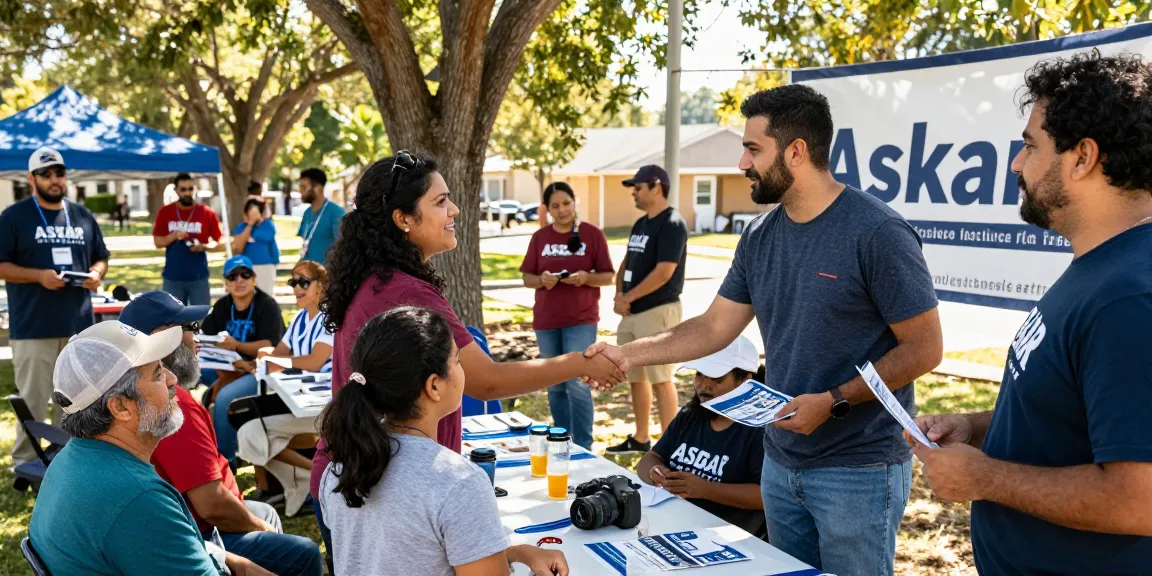
Grassroots engagement through community events allows candidates to meet voters in informal settings and understand their concerns. By participating in local gatherings, listening to constituents, and addressing their needs, candidates can create authentic connections. Effective grassroots campaigns leverage volunteers and community leaders, thus amplifying the candidate’s message while fostering a sense of shared purpose.
The Role of Digital Marketing in Modern Campaigning
In today’s digital age, effective online presence is essential for campaign success. Candidates must harness social media platforms and online marketing strategies to reach wider audiences and engage in meaningful dialogue. Utilizing data analytics can help campaign teams tailor their messaging to specific demographics, enhancing voter engagement rates. Askar and his competitors need to adopt innovative digital strategies to create a lasting impact in a heavily digitized electoral environment.
Future Trends in Political Campaigning Ahead of 2026
As we approach the 2026 elections, several emerging trends in political campaigning will shape how candidates approach their strategies and engage with voters.
Emerging Technologies and Their Impact on Elections
Advancements in technology are transforming the political landscape. From AI-driven analytics to targeted advertising, candidates can now tailor their strategies like never before. Understanding and leveraging these technologies will be critical for maintaining relevance in a rapidly evolving environment.
The Growing Importance of Authentic Voter Engagement
As voters become more informed and discerning, the demand for authentic engagement will increase. Candidates will need to prioritize real conversations, listen to their constituents, and address pressing issues genuinely. Authenticity will be a key differentiator in a crowded field of candidates striving for voter support.
Predicting Voter Behavior: Insights for Political Candidates
Data-driven insights into voter behavior are becoming increasingly valuable for campaign strategies. By analyzing previous elections and current voter sentiment, campaigns can better predict trends and adapt accordingly. Employing sophisticated analytics tools will allow candidates to remain ahead of the curve, tailoring their messaging and approaches to resonate with constituents.
What Do Voters Expect from Candidates Like Casey Askar?
As voters assess candidates like Casey Askar, they seek integrity, transparency, and a genuine connection to their community. Candidates must demonstrate a thorough understanding of local issues and provide comprehensive plans to address them. By prioritizing these elements, candidates can foster trust and increase their chances of electoral success.
How Transparency Can Shift Public Perception?
Transparency in political campaigning can significantly shift public perception. By being open about their backgrounds, motivations, and campaign financing, candidates can alleviate suspicions and foster a sense of integrity. This shift is crucial for candidates seeking to counteract negative news cycles and build a strong, positive public image.