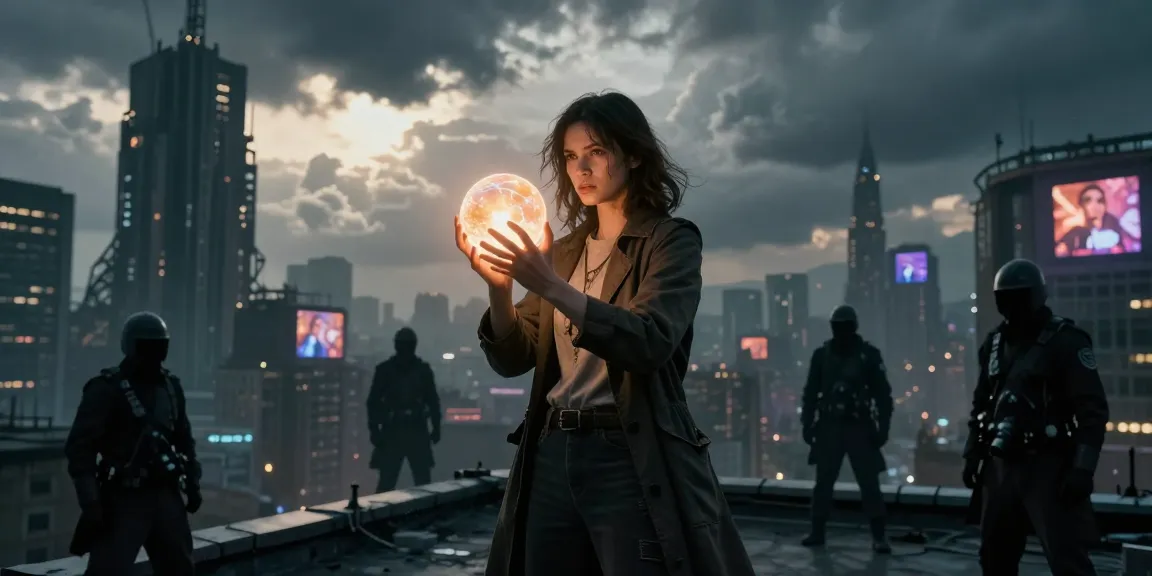
Understanding Dystopian Fiction
Dystopian fiction captivates readers by presenting harrowing realities and thought-provoking scenarios that challenge societal norms and provoke critical discussions. This genre often explores themes of oppression, loss of individuality, and the consequences of unchecked technological progress. By immersing ourselves in evocative narratives such as Dystopian fiction, we can better understand the fragility of human emotions and the resilience of hope amidst despair.
What Defines Dystopian Fiction?
Dystopian fiction is characterized by its exploration of oppressive societies, often set in a future where governments or powerful corporations exert control over individuals. These narratives typically feature bleak impositions on personal freedoms, warning readers about potential societal trajectories. Central to this genre are plots that dissect the human condition, highlighting the struggle against totalitarian regimes, environmental catastrophes, or technological domination.
Historical Context of Dystopian Narratives
The roots of dystopian literature trace back to early works such as Yevgeny Zamyatin’s “We” and Aldous Huxley’s “Brave New World.” These foundational texts set the stage for later authors to explore the extremes of societal control and human resilience. The genre gained significant traction during the 20th century, particularly in response to historical events like World War II and the Cold War, where the fear of authoritarianism loomed large. In recent decades, the rise of digital surveillance and climate change has further invigorated dystopian themes in contemporary literature.
Key Themes Explored in Dystopian Fiction
At its core, dystopian fiction examines foundational themes that resonate deeply with readers:
- Environmental Collapse: Many narratives foreground ecological disaster as a consequence of humanity’s disregard for nature, compelling readers to reconsider their relationship with the planet.
- Technological Control: Stories often feature technology that enhances oppression, portraying a future where surveillance and manipulation are commonplace.
- Loss of Identity: Characters commonly grapple with their sense of self in societies that prioritize conformity over individuality.
- Resistance and Rebellion: Central protagonists frequently embody hope, leading movements against oppressive systems, which serves to inspire readers about the power of individual agency.
Major Works and Influences
A Study of Influential Dystopian Novels
Classic dystopian novels have shaped the framework of the genre, creating a rich tapestry of themes and styles. George Orwell’s “1984” explores the implications of surveillance and propaganda, providing a chilling glimpse into a totalitarian state. Similarly, Ray Bradbury’s “Fahrenheit 451” critiques censorship and the loss of intellectual freedom, urging readers to value knowledge and critical thought. Contemporary works such as Suzanne Collins’ “The Hunger Games” and Lois Lowry’s “The Giver” build upon these narratives, reflecting current societal fears while engaging a new generation of readers.
Comparative Analysis: Recent Releases vs. Classics
While the classics set a standard, recent releases have expanded the genre’s boundaries, incorporating diverse perspectives and innovative storytelling techniques. For instance, the rise of young adult dystopian novels has shifted the focus to character-driven plots that delve into personal struggles within oppressive societies. Works like Veronica Roth’s “Divergent” and Marie Lu’s “Legend” emphasize themes of agency and identity, encapsulating the adolescent experience while addressing broader societal issues.
How Dystopian Fiction Mirrors Societal Issues
Dystopian narratives often serve as mirrors, reflecting contemporary societal anxieties. The portrayal of anti-immigrant sentiment, climate change, and the erosion of civil liberties resonates deeply in today’s geopolitical climate. Authors utilize their platforms to critique existing systems and illuminate paths toward social change. By connecting fiction to real-world issues, writers not only engage readers but also foster critical conversations around societal values and future directions.
Creating Compelling Dystopian Stories
Developing Strong Characters in Dystopian Settings
Character development is crucial in dystopian fiction, as readers must resonate with protagonists facing extraordinary challenges. Strong characters often possess distinct motivations that drive their actions against oppressive systems. Writers should focus on creating relatable, multi-dimensional characters whose emotional journeys allow readers to empathize with their struggles. By exploring themes of loss, hope, and rebellion through character arcs, authors can forge profound connections with their audiences.
World-Building Techniques for Dystopian Fiction
Effective world-building immerses readers in the author’s vision of a dystopian future. To achieve this, writers need to establish clear rules governing their world’s society, technology, and environment. Detailed descriptions of settings, combined with a coherent political and cultural framework, enhance credibility. Incorporating sensory details allows readers to visualize the oppressive atmosphere while also engaging their emotions.
Plot Structures Common in Dystopian Narratives
Dystopian stories often follow a familiar structure featuring a protagonist’s journey from ignorance to enlightenment. Common plot beats include:
- Exposition: Introducing the oppressive society and its rules.
- Inciting Incident: The protagonist’s discovery of a personal or larger crisis.
- Rising Action: The protagonist’s struggles against the system and their personal conflicts.
- Climax: The moment of confrontation with the antagonistic forces.
- Resolution: Exploring the consequences of the protagonist’s actions and the potential for change.
By adhering to these structures, writers can create compelling narratives that resonate profoundly with readers.
Engaging Readers in Dystopian Worlds
Strategies for Designing Captivating Book Covers
A compelling book cover acts as the first point of contact for potential readers. To effectively convey the essence of a dystopian narrative, covers should incorporate visual elements that reflect central themes—such as stark contrasts, desolate landscapes, or symbolic imagery. Typography plays a crucial role as well; fonts that evoke a sense of urgency or oppression can enhance the cover’s impact. In a crowded market, an unforgettable cover can capture a reader’s interest and draw them into the narrative.
Using Social Media to Build a Dystopian Fiction Community
Social media platforms provide an excellent opportunity for authors to connect with readers and cultivate a community around their works. Engaging content—such as character profiles, behind-the-scenes writing processes, or thematic discussions—can foster interaction. Additionally, participating in relevant hashtags and online events can expand reach, connecting authors with readers who are passionate about dystopian narratives. For example, hosting a live Q&A session can deepen reader engagement, allowing them to explore themes and motivations directly with the author.
How to Market Your Dystopian Novel Effectively
Marketing a dystopian novel involves understanding the target audience and strategically highlighting themes that resonate with their interests. Utilizing trailers, book teasers, and thematic giveaways can generate buzz. Collaborating with influencers in the book community ensures wider exposure and can draw in a range of readers intrigued by the genre. Furthermore, maintaining an active author website with updates and additional content can keep readers engaged and informed about upcoming works.
The Future of Dystopian Fiction
Emerging Trends in Dystopian Literature (2026 and Beyond)
As societal challenges evolve, so too will dystopian literature. Renewed emphasis on environmental narratives is expected, reflecting the urgency of climate action. Additionally, the genre may expand to incorporate more diverse voices and perspectives, enriching narratives and appealing to broader audiences. Authors will likely explore hybrid genres, combining dystopian fiction with elements of magical realism or historical fiction to create unique storytelling experiences.
Impact of Technology on Dystopian Storytelling
Technological advancements will continue to influence how dystopian stories are told. As virtual and augmented reality technologies become more accessible, immersive storytelling experiences could redefine reader engagement. Moreover, the rise of artificial intelligence in storytelling processes may introduce new dynamics in character development and plot construction, altering traditional narrative frameworks.
Potential Shifts in Reader Expectations
Today’s readers are becoming increasingly sophisticated, demanding multi-layered narratives that challenge their perceptions while providing emotional depth. Future dystopian works will need to embrace complexity, offering nuanced characters and ethical dilemmas that reflect real-world issues. Readers will likely look for stories that not only entertain but also provoke thoughtful discourse around pressing societal challenges.
What are the main characteristics of dystopian fiction?
Dystopian fiction typically features oppressive governments, environmental disasters, and the struggle for individuality amidst societal control. Common elements include bleak settings, a focus on themes of rebellion and survival, and characters who confront moral dilemmas in their search for truth and freedom.
Which authors are known for their contributions to dystopian literature?
Notable authors in dystopian literature include classics like George Orwell, Aldous Huxley, and Ray Bradbury, as well as contemporary writers like Suzanne Collins and Veronica Roth. Their works not only entertain but also offer critical insights into societal trends and human behavior.
How does dystopian fiction reflect current societal fears?
Dystopian narratives often echo contemporary anxieties about authoritarianism, technological overreach, and environmental degradation. By exploring these fears, authors provide a lens through which readers can examine their societal landscape and ignite conversations about potential futures.
What are the best recent dystopian novels to read?
Recent standout works in dystopian fiction include “The Power” by Naomi Alderman, which explores gender dynamics, and “Children of Time” by Adrian Tchaikovsky, which presents a unique perspective on evolution and survival. These narratives reflect contemporary issues while staying true to the genre’s roots of exploring human resilience against oppression.
What themes should writers consider when creating dystopian stories?
Writers should explore themes related to power dynamics, environmental sustainability, and the human experience under duress. Emphasizing personal narratives within larger societal conflicts can create compelling stories that resonate deeply with readers.