Understanding Mini Split AC Systems
As temperatures rise, many homeowners are turning to efficient cooling solutions to maintain comfort indoors. Among the most effective options available today is the mini split ac system. These ductless air conditioning units offer flexibility and efficiency, making them a favorite choice for various living spaces. In this comprehensive guide, we will explore what mini split systems are, their benefits, components, and much more, ensuring you are well-informed before making a purchase.
What is a Mini Split AC?
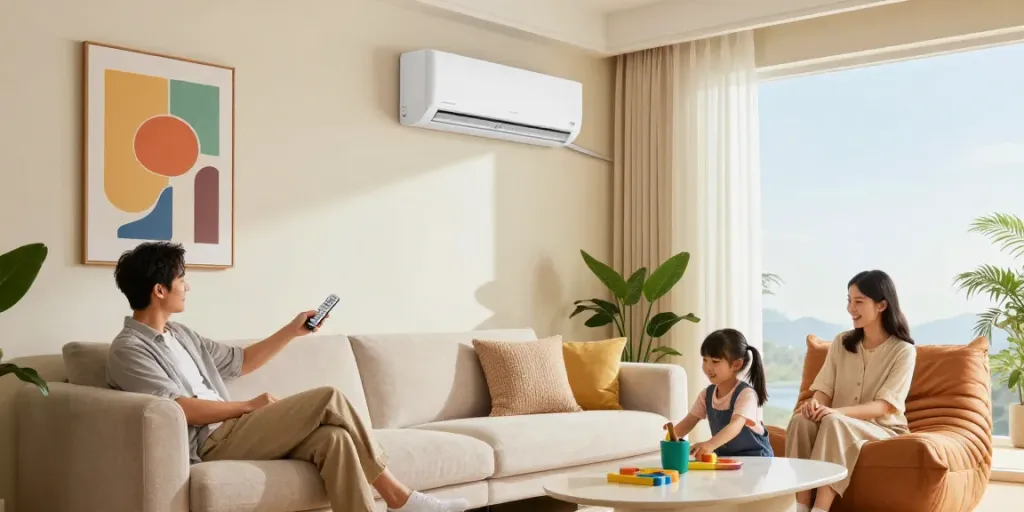
A mini split AC system, often referred to as a ductless mini-split, is a type of heating and cooling solution that consists of two main components: an indoor unit and an outdoor unit. Unlike traditional air conditioning systems that rely on ductwork to distribute air, mini splits provide targeted cooling and heating directly to specific rooms or areas. This system is particularly advantageous for homes lacking existing ductwork or for those looking to improve energy efficiency.
Benefits of Mini Split AC Units
- Energy Efficiency: Mini split systems are known for their high energy efficiency ratings. They use inverter technology to adjust the compressor speed, which reduces energy consumption.
- Space-Saving Design: The compact design of mini splits allows for flexible placement, making them ideal for small apartments or homes with limited space.
- Individual Climate Control: Homeowners can set different temperatures for each zone, allowing for personalized comfort without wasting energy on unoccupied spaces.
- Easy Installation: Compared to traditional systems, mini splits are easier and quicker to install, requiring only a small hole for the refrigerant line.
- Quiet Operation: Mini split units operate at lower noise levels than traditional window AC units, enhancing indoor comfort.
Components of a Mini Split System
Understanding the anatomy of a mini split AC system can help you appreciate its efficiency and functionality. Here are the essential components:
- Indoor Unit: This component is responsible for distributing cooled or heated air into the room. It typically includes an evaporator coil and is available in various styles, including wall-mounted and ceiling-mounted options.
- Outdoor Unit: The outdoor unit houses the compressor and condenser, which are essential for heat exchange. It releases heat absorbed from the indoor air to the outside environment.
- Refrigerant Lines: These lines connect the indoor and outdoor units, allowing for the transfer of refrigerant between the two components.
- Remote Control: Most mini split systems come with a remote control for easy adjustments to temperature settings, fan speeds, and operation modes.
Choosing the Right Mini Split AC for Your Home
Choosing the right mini split AC system involves several considerations to ensure optimal performance and comfort tailored to your specific needs. Understanding various factors can lead to a more informed purchasing decision.
Factors to Consider When Buying
- Cooling Capacity: Measured in BTUs (British Thermal Units), the cooling capacity must align with the size of the space you wish to cool. An undersized unit will struggle to maintain a comfortable temperature, while an oversized unit may cycle on and off too frequently, wasting energy.
- Energy Efficiency Ratio (EER): Look for models with high EER ratings, as they indicate higher efficiency. Ideally, choose systems with Energy Star certification to ensure quality and performance.
- Installation Type: Decide whether you will be installing the unit yourself or hiring professionals. Some systems are designed for DIY installation, while others may require more complex setups.
- Additional Features: Consider additional features such as smart technology integration, which allows you to control the system remotely through an app, and air purification options for healthier indoor air quality.
Sizing Your Mini Split AC
Accurate sizing is crucial for the efficiency and effectiveness of your mini split AC system. Here’s how you can determine the right size:
- Calculate the Room Size: Measure the dimensions of the room where the unit will be installed. Typically, you can multiply the length by the width in feet to get the area in square feet.
- BTU Requirements: As a general rule, you may need about 20 BTUs per square foot of living space. For example, if your room is 400 square feet, you will require a unit with approximately 8,000 BTUs.
- Account for Other Factors: Take into consideration the room's insulation, exposure to sunlight, and the number of occupants, as these factors can influence the required BTUs.
Energy Efficiency Ratings Explained
When searching for a mini split AC, understanding energy efficiency ratings is critical to making cost-effective choices. Two primary metrics to consider are:
- EER (Energy Efficiency Ratio): This rating indicates the efficiency of the air conditioner when it is running at full capacity. The higher the EER, the more efficient the unit is.
- SEER (Seasonal Energy Efficiency Ratio): This rating reflects the unit’s efficiency over an entire cooling season. Units with higher SEER ratings typically mean lower electricity bills.
Installation Guide for Mini Split AC Units
Installing a mini split AC system can be straightforward, but it’s essential to follow the correct steps for optimal performance.
DIY Installation vs. Professional Help
Before beginning the installation process, consider whether to take a DIY approach or hire a professional. DIY installations can save money, but require a basic understanding of electrical and plumbing systems. If you're not confident, hiring a professional ensures that the system is installed correctly and safely.
Essential Tools and Materials
If you opt for a DIY installation, make sure you have the following tools and materials on hand:
- Drill with appropriate bits
- Refrigerant piping
- Electrical wiring
- Mounting brackets
- PVC tape and insulation
- Level
- Safety goggles and gloves
Step-by-Step Installation Process
- Choose the Location: Select a location for the indoor and outdoor units that allows for efficient airflow and easy access for maintenance.
- Install the Mounting Bracket: Secure the mounting bracket for the indoor unit to the wall and ensure it is level.
- Drill a Hole: Drill a hole through the wall for the refrigerant line and electrical wiring, ensuring it is slightly slanted for drainage.
- Connect the Refrigerant Lines: Carefully connect the refrigerant lines and electrical wires according to the manufacturer’s instructions.
- Mount the Indoor Unit: Hang the indoor unit on the mounting bracket and secure it properly.
- Install the Outdoor Unit: Place the outdoor unit on a solid base and connect it to the refrigerant lines and power supply.
- Test the System: Once everything is connected, test the unit to ensure it operates correctly.
Maintenance Tips for Long-Lasting Performance
To ensure your mini split AC system operates efficiently and lasts for many years, regular maintenance is essential. Here are some helpful maintenance tips:
Regular Cleaning and Maintenance Schedule
- Clean the Filters: Check and clean the air filters monthly to maintain good airflow and efficiency.
- Inspect the Coils: Periodically, check the evaporator and condenser coils for dirt and debris. Cleaning them will enhance performance.
- Check the Drain Line: Ensure that the condensate drain line is clear to prevent water damage and mold growth.
Common Issues and Troubleshooting
Being aware of common issues can help you troubleshoot minor problems before they escalate:
- No Cool Air: This could be due to dirty filters, low refrigerant levels, or a malfunctioning compressor.
- Unusual Noises: If you hear strange sounds, it may indicate loose parts or foreign objects inside the unit.
- Water Leakage: This can occur if the drain line is blocked or if there’s a refrigerant leak.
When to Call a Technician
If you encounter persistent issues or if the unit fails to operate entirely, it is best to consult a professional HVAC technician. They can diagnose complex problems effectively and ensure your system runs at peak performance.
Future Trends in Mini Split AC Technology
As technology continues to evolve, so does the mini split AC system. Staying informed about emerging trends can help you make the best choices for your residential needs.
Emerging Innovations for 2026
In 2026, we can expect advancements in mini split technology that focus on enhancing energy efficiency and user experience. Innovations may include:
- Better Energy Management Systems: New systems will utilize AI to optimize cooling and heating based on real-time usage patterns.
- Improved Air Filtration: Enhanced filtration technology will help reduce allergens and improve indoor air quality.
Smart Home Integration
Mini split systems are increasingly being designed with smart technology integration, allowing homeowners to control their units with smartphones and voice assistants. Features may include:
- Remote Temperature Control: Adjust temperature settings from anywhere using an app.
- Usage Reports: Gain insights into energy consumption and efficiency over time.
Eco-Friendly Refrigerants and Energy Solutions
The shift toward environmentally friendly refrigerants is crucial in reducing the carbon footprint of HVAC systems. Expect to see:
- Natural Refrigerants: More manufacturers are adopting eco-friendly refrigerants, such as propane and CO2, to align with sustainability goals.
- Renewable Energy Solutions: Integration with solar panels and other renewable sources will enhance energy independence.
What are the Advantages of Mini Split AC Systems?
Mini split AC systems offer numerous advantages, making them an attractive cooling and heating solution for many households:
- Energy-efficient performance can lead to reduced utility bills.
- Flexibility in installation allows for greater design options.
- Reduced environmental impact through better energy consumption.
How to Calculate the Cost of a Mini Split AC?
When calculating the cost of a mini split AC, consider the following factors:
- Initial Purchase Price: The cost of the unit itself will vary based on brand, capacity, and features.
- Installation Costs: Hiring a professional will add to the overall price, while DIY efforts can save money.
- Operational Costs: Monitor energy consumption and maintenance expenses to estimate long-term costs.
Are Mini Split AC Units Noisy?
Generally, mini split AC units operate much quieter than traditional window units. Most models provide noise levels similar to a soft whisper, making them preferable for bedrooms and quiet areas.
What Size Mini Split AC Do I Need?
As discussed in the sizing section, determining the correct BTU rating for your specific room size is critical to achieving optimal cooling efficiency.
Can Mini Split AC Units Heat Your Home?
Yes, many mini split systems can function as heat pumps, providing both cooling in summer and heating in winter, making them versatile year-round solutions.
What is the Average Lifespan of a Mini Split AC?
With proper maintenance, a mini split AC system can last between 15 to 20 years, making it a long-term investment for homeowners.